
For many people, sleeping on a sailing yacht is one of the most intriguing parts of booking a sailing holiday or practical training course.
You may wonder whether the cabins are comfortable, how much space you will have and what it feels like to wake up with the sea just outside. While sleeping onboard is naturally different from staying in a hotel, many guests find that it becomes one of the most memorable and enjoyable parts of their trip.
With Canary Sail, accommodation onboard is included for the duration of its cruises and practical sailing courses. Guests can therefore experience the sailing lifestyle properly, rather than returning to accommodation ashore at the end of each day.
What Are the Sleeping Cabins Like?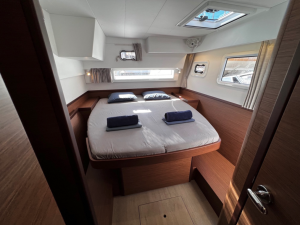
Sailing yacht cabins are designed to make efficient use of the available space.
They are naturally more compact than a hotel bedroom, but they provide a comfortable and private place to rest after a full day on the water. Depending on the yacht and the option booked, accommodation may include a single-occupancy cabin, a double cabin for a couple, a panel-divided twin cabin or a saloon berth.
Canary Sail allows guests to book their own cabin, subject to availability. Nobody is expected to share a cabin unless they choose to do so when booking.
The cabins are practical rather than oversized, with storage areas for clothing and personal belongings. Packing lightly and bringing soft luggage rather than a large rigid suitcase will make it easier to organise your belongings onboard.
Is Bedding Provided?
You do not need to bring a sleeping bag or your own bedding for a Canary Sail course or cruise.
Bedding and towels are provided, with Canary Sail describing the bedding on its practical courses as full duvet, hotel-style bedding. This helps make the cabins feel welcoming and comfortable from the moment you arrive.
You should still bring personal toiletries and any items you normally need for a comfortable night’s sleep.
Does the Yacht Move During the Night?
The amount of movement you experience depends on where the yacht is staying overnight.
When secured in a marina, the movement is often gentle, although you may occasionally feel the yacht shift slightly with the water. At anchor, there can be more noticeable movement, but many people find the gentle rocking surprisingly relaxing.
During longer cruises, an itinerary may include overnight sailing. On these passages, crew members may take turns keeping watch while others sleep. These longer passages are generally part of cruises designed for guests with some previous sailing experience.
The first night may feel unfamiliar, but most guests soon adjust to the yacht’s natural movement and the sounds of the marina or sea.
What Can You Hear at Night?
A yacht is rarely completely silent.
You may hear water moving gently against the hull, ropes shifting, the occasional creak from the yacht or sounds from the surrounding marina. These noises are part of life onboard and often become reassuring once you are familiar with them.
For many guests, falling asleep to the sound of the water is considerably more peaceful than the traffic, lifts and corridors associated with a busy hotel.
Are There Bathrooms Onboard?
Cruising yachts have onboard toilet and washing facilities, commonly known as the heads.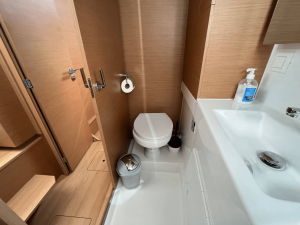
These facilities are more compact than a domestic bathroom, and your skipper or instructor will explain how everything works when you arrive. Marine toilets operate differently from those at home, so it is important to follow the instructions provided.
Water is also a resource that needs to be used sensibly onboard. This does not mean sacrificing basic comfort, but shorter showers and sensible water use are a normal part of yacht life.
Is There Enough Privacy?
Although a sailing yacht is a shared environment, private cabins give guests their own personal space.
When you book your own cabin, you have somewhere to change, store your belongings and relax. Shared areas such as the saloon, galley and deck naturally bring everyone together, while the cabin provides a place to retreat at the end of the day.
Guests booking an exclusive yacht can enjoy the vessel with their own partner, family or group. This provides greater privacy and flexibility, with all cabins available to the group.
What Is the Evening Routine Like?
The evening routine varies depending on the destination, weather and itinerary.
After arriving in a harbour or marina, there may be time to shower, relax onboard and explore ashore. Evening meals during Canary Sail’s practical courses are generally taken at local restaurants, giving guests the opportunity to experience the islands as well as life aboard the yacht.
Later in the evening, the crew may sit together in the saloon or on deck before retiring to their cabins. After a day of sailing, fresh air and practical activity, many people find they sleep extremely well.
Waking Up Onboard Is Part of the Experience
One of the greatest pleasures of sleeping on a sailing yacht is waking up beside the water.
Instead of travelling from a hotel to the marina, you are already where the day begins. You can step onto the deck, enjoy the morning atmosphere and prepare for the next passage without needing to arrange transport.
On a practical course, this also gives you a fuller understanding of how life aboard a yacht works. Staying onboard helps you become familiar with daily routines, safety procedures, crew responsibilities and preparing the vessel for sea.
You can read more about the benefits in Why a Sail and Stay Holiday in the Canary Islands Offers the Best of Both Worlds.
Will I Feel Comfortable Onboard?
Most people settle into yacht life more quickly than they expect.
The cabins are compact, but the experience is not about spending the holiday inside your room. Your days are spent sailing, learning, exploring different harbours and enjoying the Canary Islands from the water.
The yacht becomes your accommodation, transport and base for the week, removing the need to organise separate hotels and daily transfers. Canary Sail’s cruise packages include seven nights of accommodation onboard, along with bedding, safety equipment, marina fees and provisions for light meals and soft drinks.
For complete beginners, the Just Sailing experience includes a full week of local cruising with an RYA-qualified instructor and your own cabin, with no previous sailing knowledge required.
Tips for Your First Night on a Yacht
A few simple preparations can make your first night even more comfortable:
- Pack soft luggage that can be stored easily
- Bring comfortable nightwear suitable for the season
- Keep personal belongings organised within your cabin
- Bring earplugs if you are a particularly light sleeper
- Follow the skipper’s guidance on ventilation and onboard facilities
- Keep a small torch or phone nearby for moving around at night
It is also worth remembering that the first evening will probably feel the most unfamiliar. Once you understand the layout of the yacht and become accustomed to its gentle movement, sleeping onboard soon feels far more natural.
Discover What Life Onboard Is Really Like
Sleeping on a sailing yacht is not the same as staying in a conventional hotel, and that is precisely what makes it special.
You can fall asleep beside the sea, wake up ready to sail and experience the daily rhythm of life aboard a modern cruising yacht. With your accommodation, bedding and essential onboard facilities already arranged, you can focus on enjoying the sailing and exploring the Canary Islands.
View Canary Sail’s sailing cruises or explore the available RYA practical sailing courses to begin planning your own onboard experience. For help selecting the right course, cruise or cabin option, contact Canary Sail and speak to the team.