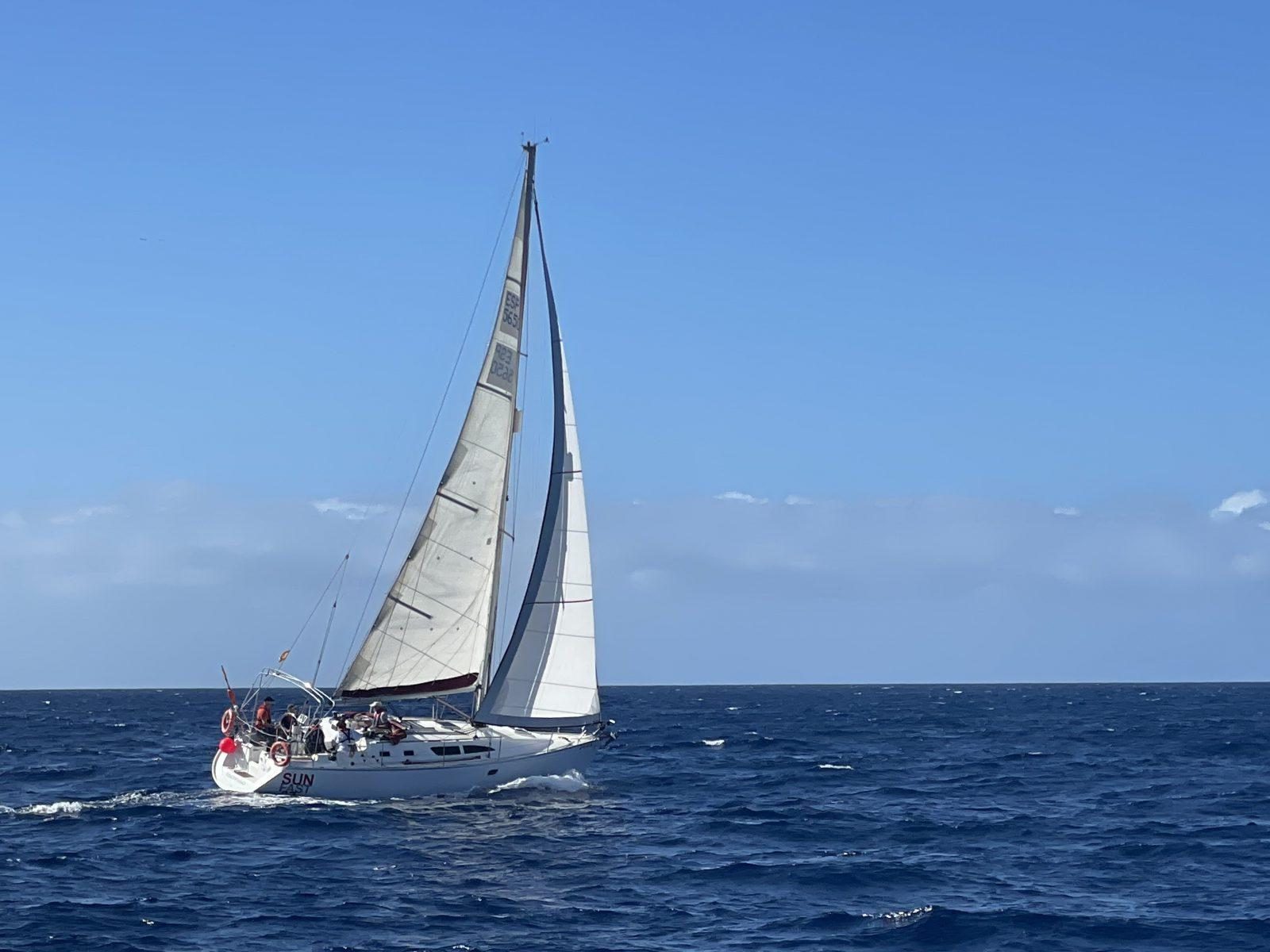
When it comes to European sailing destinations, both the Canary Islands and the Mediterranean offer unforgettable experiences. Each region has its own appeal, but the differences are significant — from weather patterns and sailing conditions to overall costs and atmosphere. For many sailors, the Canary Islands now rival (and often surpass) the Med as the perfect year-round sailing destination.
Weather and Sailing Conditions
Mediterranean:
The Med offers long, warm summers but a limited sailing season. Between May and September, conditions are generally good, but the winds can be unpredictable. The infamous Meltemi, Mistral, and Scirocco winds can create challenging conditions for even experienced sailors. In winter, many marinas and sailing schools shut down completely.
Canary Islands:
The Canaries, on the other hand, enjoy a steady, year-round climate. Thanks to the northeast trade winds, sailors can rely on consistent conditions almost every day of the year. Even in winter, temperatures hover around 20°C, and sailing remains both comfortable and exciting. It’s why Canary Sail operates 12 months a year — something very few Mediterranean sailing schools can match.

Crowds and Atmosphere
Mediterranean:
During peak season, marinas in popular spots like Mallorca, Greece, and Croatia can become overcrowded. Moorings fill up quickly, and prices often skyrocket. Anchorages that look peaceful in brochures can be packed with boats by midday.
Canary Islands:
The Canaries offer a completely different experience — quieter, less commercial, and more authentic. While Tenerife and Gran Canaria are lively, the smaller islands such as La Gomera, El Hierro, and La Palma offer peaceful harbours, easy anchoring, and space to breathe. You can sail for hours surrounded by dolphins without seeing another yacht in sight.

Cost and Value
Mediterranean:
In the Med, eating out, marina fees, and boat charters have all risen sharply over the past decade. A simple lunch onshore can easily cost twice as much as in the Canaries, and many marinas charge premium prices for berths during summer.
Canary Islands:
The Canaries are excellent value for money. From marina fees to dining out, costs are generally much lower. You can enjoy local cuisine, fresh seafood, and a good glass of wine without breaking the bank. For those looking to train or charter regularly, this difference adds up fast.

Scenery and Sailing Experience
Mediterranean:
The Med offers variety and history, charming coastal towns, ancient harbours, and calm anchorages with picturesque views. However, many sailing routes involve short hops between busy islands and harbours.
Canary Islands:
The Canaries are more adventurous and dramatic. Each island is unique — volcanic landscapes, lush forests, hidden black-sand beaches, and wildlife-rich waters. The longer passages between islands provide a genuine sense of blue-water sailing while still being close to shore, ideal for developing offshore experience. It’s this combination that makes the Canaries perfect for both training and cruising.

Training Opportunities
If you’re taking an RYA sailing course, the Canary Islands offer a clear advantage. With consistent wind, tidal waters, and varied conditions, students gain a much more rounded experience than in the largely non-tidal Mediterranean.
At Canary Sail, practical courses like Day Skipper, Coastal Skipper, and Yachtmaster Fast Track run year-round, making it easy to train whenever suits you — not just during summer.

Final Thoughts
The Mediterranean may always hold a special place for summer sailing, but the Canary Islands deliver something far more dependable and authentic. With lower costs, better weather, diverse scenery, and world-class training opportunities, it’s no wonder so many sailors are choosing the Canaries as their go-to destination.
Whether you’re new to sailing or building towards your Yachtmaster, the Canary Islands offer everything you need — all year round.
Find out more about RYA sailing courses and exclusive use cruises with Canary Sail.